
An Introduction to a Shoujo Icon: Crest of the Royal Family’s Enduring Legacy
If you’re a fan of shoujo manga, you’ve probably heard of Crest of the Royal Family (王家の紋章 , Ouke no Monshou).
But if you haven’t, here’s a little history lesson: this series started in 1976, created by the manga artist Chieko Hosokawa, and it’s still going – yes, you read that right! Almost half a century later, it’s still being serialized in Monthly Princess, the same magazine where it began.
And yet, despite its age, it continues to capture the imagination of readers both old and new. That kind of longevity doesn’t just happen by accident. So, what makes Crest of the Royal Family so special? What keeps it relevant in a world where trends move faster than ever? Let’s explore why this timeless saga still rules the shoujo world, and why you should care.
The Story That Started It All: Time-Slip, Romance, and Royal Intrigue
At first glance, Crest of the Royal Family might sound like your typical shoujo setup: girl meets guy, worlds collide, cue the romantic drama. But from the very first chapter, you realise it’s something completely different.
The story follows Carol Reed, a modern American teenager (or “modern” at the time the manga was written) and archaeology prodigy. During an excavation in Egypt, she comes across the tomb of a young Pharaoh, and a curse that changes everything. One moment she’s in the 20th century, the next she’s standing in ancient Egypt, surrounded by golden palaces, royal soldiers, and gods of the Nile.
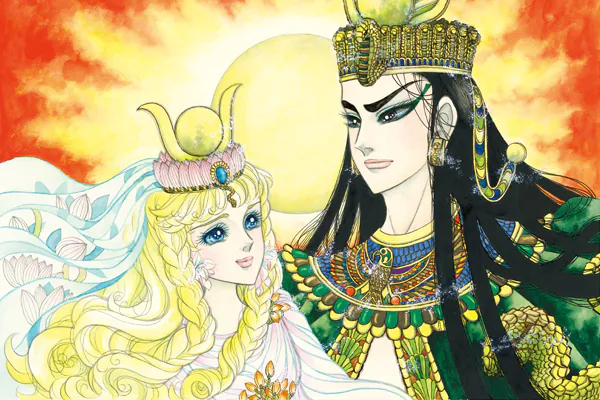
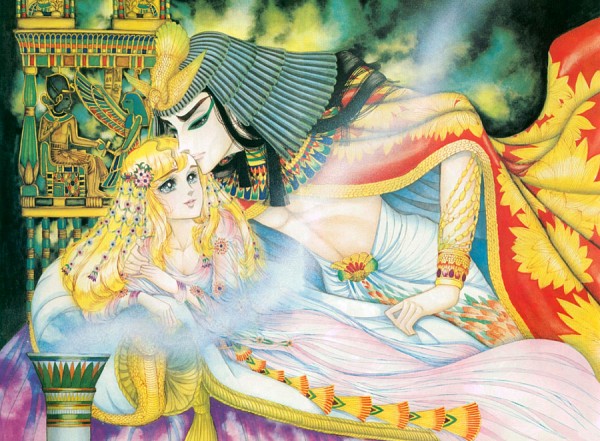
Over there, she runs into Pharaoh Memphis – a bold, occasionally annoying teen king who thinks she’s a spy from another land, yet ends up head over heels for her. After that comes a blend of real-deal history, wild passion, and power struggles behind palace doors.
Here, Carol has to survive rival queens, scheming nobles, invading kingdoms, and even time itself, all while trying to find her way home, or maybe finding a reason to stay.
What makes the story unforgettable is its scope. It’s not just a love story; it’s an epic story full of ancient battles, alliances, betrayals, kidnappings (so many kidnappings), and a love that spans millennia – all drawn with that rich, dramatic flair that only 70s shoujo manga could deliver.
Breaking the Shoujo Mold
In 1976, when Crest of the Royal Family came out, shoujo manga wasn’t what it is today. Instead of palaces and drama, most stories played out in classrooms. Growing up was a common theme, also sweet but awkward crushes. This one, though? It tossed those ideas aside without hesitation.
It pushed readers beyond daily life – not toward dragon-packed myths, yet straight into an old world brought back with passion, daring twists, also destiny shaping every turn.
That mix of old-world magic and a present-day lead character felt fresh. Carol didn’t sit around hoping for help – she battled to survive, dealt with rulers, also shaped events with her smarts. To kids growing up in the late ’70s and through the ’80s, she showed a different sort of girl hero: bold, quick-talking, sharp, but also full of feeling, real in every way.
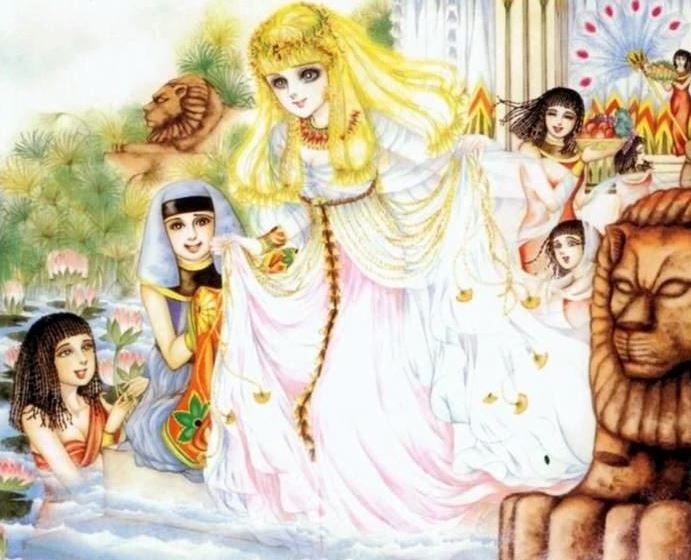
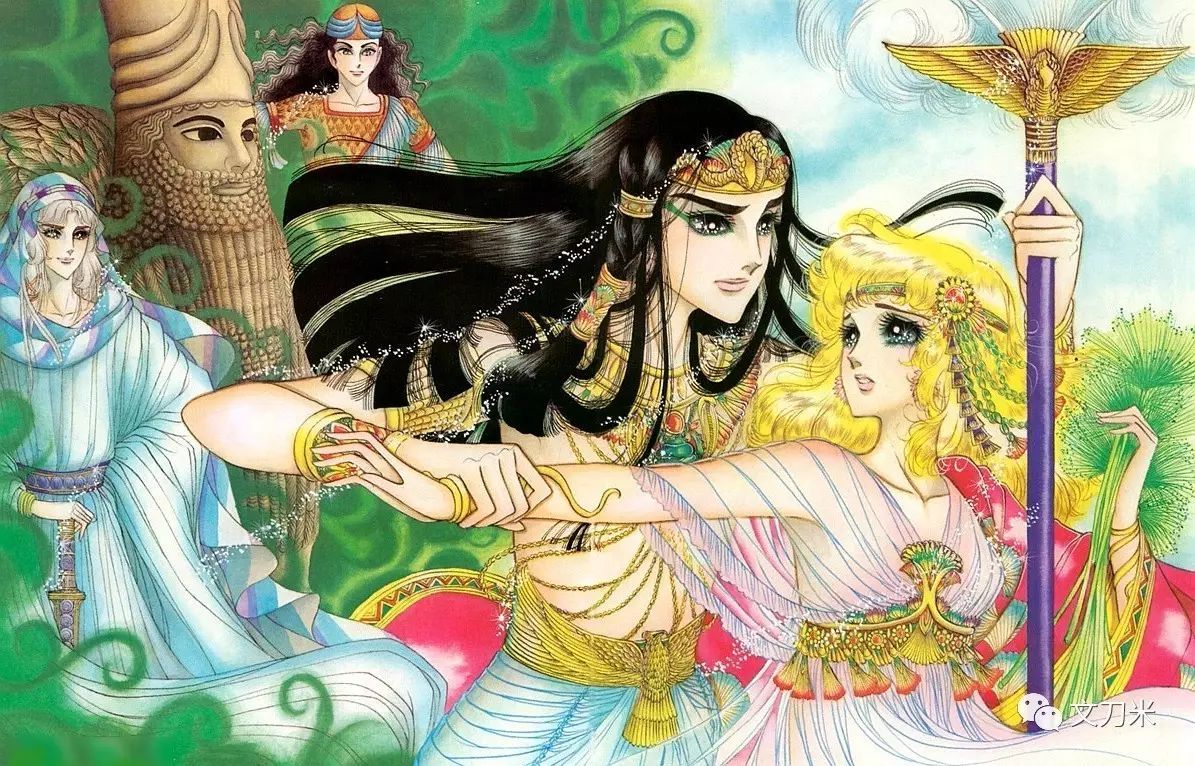
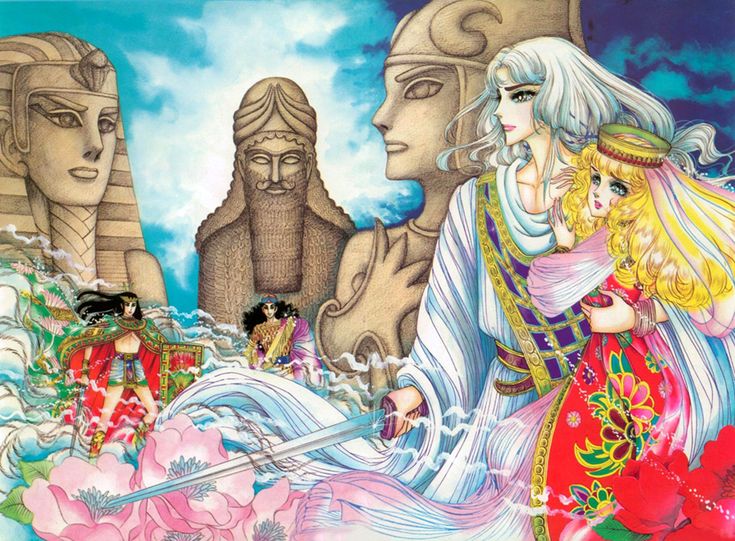
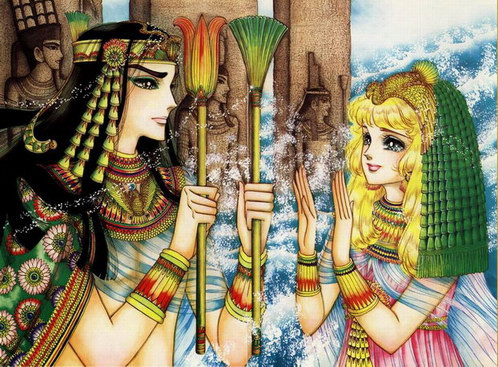
The art pushed limits too. With wide dresses, detailed accessories, glowing eyes, and silky hair – each piece shaped how romantic shoujo looked for years after. Whenever you’ve been drawn to the lush visuals of series such as From Far Away, Fushigi Yugi, or Anatolia Story, you were seeing shadows of Crest of the Royal Family.
The Timeless Appeal: Why Readers Still Care
So why, in a world full of sleek digital webtoons and modern high-school romances, do readers still return to Crest of the Royal Family?
Because it offers something that’s become increasingly rare: escapism that feels eternal.
There’s something irresistibly romantic about being whisked away from the modern world into a glittering, dangerous past. The series captures that fantasy perfectly: the heat of the Egyptian sun, the tension between love and power, the clash of ancient and modern values.
Carol’s struggles are surprisingly relatable even today. She’s a young woman trying to be heard in a male-dominated world, standing her ground in an era that literally wants her gone. Her fight for respect and agency resonates with modern readers, whether they first discovered her in the 1970s or just picked up the manga last week.
True, it might feel a bit over-the-top at times – yet that’s exactly what makes it likable. With wild mood swings, sudden saves out of nowhere, love that shouldn’t work but does – this story brings all the raw energy you’d expect from old-school shoujo.

A Living Legacy: From Page to Stage
Few manga can boast the kind of legacy Crest of the Royal Family has built. Over the decades, it has sold over 40 million copies, making it one of the best-selling shoujo manga of all time. It also won the 36th Shogakukan Manga Award for Shoujo in 1991.
It’s reached way past just books. a Japanese stage musical based on it opened at Tokyo’s Imperial Theatre back in 2016. People liked the show so much it came back several times. That shows how, even decades later, this ’70s tale can still hit hard onstage.
There were also drama CDs, a soundtrack composed by Joe Hisaishi (yes, the same composer who worked with Studio Ghibli), and countless fan exhibitions celebrating its art through the years.
Nowadays, fresh audiences find the books online while loyal followers still grab those sleek reissued versions.
(If you’d like to see what the musical looks like, check out this YouTube video – it’s definitely worth a watch!):
The Influence: A Pillar of Historical Romance in Shoujo
Crest of the Royal Family opened the door for a new era of shoujo manga that blended history, fantasy, and romance in a way that had never been done before. It proved that shoujo could be epic, taking readers across time, distant places, or tangled court schemes, but still keep feelings real and close. That shift cleared space for titles such as Anatolia Story, From Far Away, along with Fushigi Yugi, each weaving broad historic backdrops together with personal journeys full of heart.
Carol wasn’t your usual manga girl. She thought fast, acted bold, stood up to power – no waiting around for rescue. That made the story different. Readers felt her struggle, rooted for her wins. Her drive paved the way for others. Take Yuri from Anatolia Story or Miaka in Fushigi Yugi – they didn’t just follow plots, they changed them. These girls shaped events, not just watched things happen.
Crest of the Royal Family wasn’t only about love -it flipped how girls’ stories were told, showing heroines who choose their path instead of waiting around. That shift sparked countless tales where women drive the action, not just follow it.
Let’s Be Honest: It Is Very 70s, And That’s Okay
Yes, it’s dramatic. Yes, there are sparkles everywhere. But that’s also part of its charm.
Okay, let’s be honest here.
If you’re used to the clean modern storytelling of today’s manga, Crest of the Royal Family might feel… a little dated.
The art style screams 70s: endless flowing hair, sparkly eyes, and monologues that last several pages. The pacing is slower, and the melodrama? It’s extra – like, “crying in front of a sunset while the wind blows your hair for three pages” extra.
But here’s the thing – that’s exactly what makes it special. There’s a sincerity to 70s shoujo storytelling that’s rare today. Every emotion is turned up to eleven, every heartbreak feels operatic, and every panel drips with passion. It’s a kind of earnestness that modern manga sometimes shies away from.
So yes, it might take a few chapters to adjust to the tone. But once you do, you’ll find yourself swept away by a story that doesn’t just tell you about love – it makes you feel it in the most dramatic, sparkling way possible.
If you’re open to a slower rhythm and a more romantic, theatrical style, Crest of the Royal Family can be an incredibly rewarding read.
Final Thoughts: A Classic That Refuses to Fade
If you’ve never read Crest of the Royal Family, there’s no better time to start reading it. It’s a wild, romantic, sometimes over-the-top ride, but that’s exactly what makes it special. It’s part of the foundation that built modern shoujo storytelling as we know it.
Nearly fifty years later, Ouke no Monshou continues to reign over the shoujo kingdom – proving that sometimes, the greatest treasures in manga aren’t the newest ones, but the ones that keep shining no matter how much time passes.