So… What Is Angelique?
If you’ve ever played an otome game, whether it was on a PS2, a PSP, a Switch, or something you quietly downloaded on your phone at 2 a.m., there’s a pretty good chance Angelique is part of the reason that the genre exists at all.
And no, Angelique isn’t just “an old otome game”: It’s the first one. The starting point. The blueprint. The quiet beginning of a genre that didn’t even have a name yet. And that, my fellow readers, is what makes it so important!
Back in the early 90s, video games were overwhelmingly made by men, marketed to men, and designed with men in mind. And if that still sounds familiar today… imagine how much more extreme it was back then! Romance wasn’t taken seriously as gameplay, and games aimed specifically at women were barely part of the conversation, if they were part of it at all.
Before We Go Further: What’s an Otome Game?
In Japanese, otome (乙女) literally means “maiden” or “young woman,” which already hints at who these games were originally made for.
An otome game is a story or character-driven game where you play as a female protagonist and build relationships with multiple male characters. Romance is usually central (though in more modern titles it can take a backseat),but so are choice, character growth, and the emotional journey of the heroine herself. These are games about connection and agency; about watching the story change depending on who you trust, who you get close to, and who you leave behind.
Today, it’s hard to imagine gaming without otome games, especially if you’re a woman. They’re everywhere now: consoles, mobile phones, indie scenes, Western releases. But all of that traces back to one place.
So let’s rewind and talk about how Angelique came to be, who Ruby Party really were, and why this game is still popular!
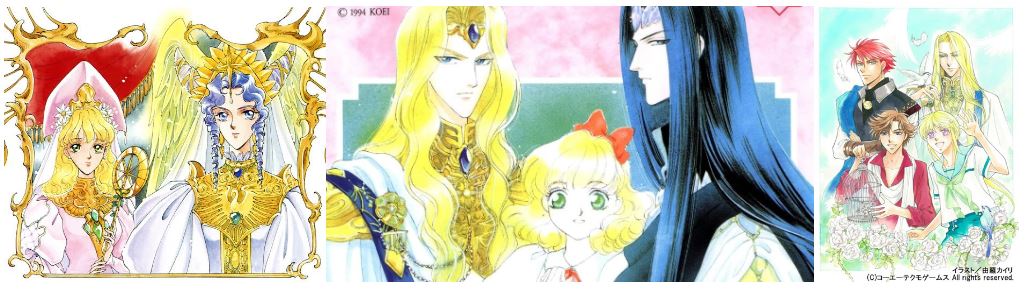
A Game Made for Women… Before “Games for Women” Were a Thing
Angelique was released in 1994 for the Super Famicom (or Super Nintendo, as we know it outside of Japan). And while that sentence sounds simple enough, what it represents really isn’t.
As we previously mentioned, there were no shelves labeled “games for women” or catered to them at the time. No genre expectations. No proven market. Angelique wasn’t joining a trend: it was creating space where none existed.
Instead of putting you in the role of a soldier, a hero, or a chosen one with a sword, Angelique asked something different. What if you played as a young woman? What if success wasn’t about defeating enemies, but about building something? And what if relationships actually mattered?
In Angelique, you could focus on becoming the next Queen of the Universe, carefully managing land and resources. You could build bonds with the celestial Guardians who supported you. You could pursue romance… or not. The game never forced you into one path.
It’s also worth remembering that otome games were never meant to be one specific format. While many modern titles lean heavily into visual novel storytelling, the genre has always been flexible. Over the years, otome games have blended strategy systems, stat management, RPG mechanics, and even action gameplay.
Angelique was doing that from the very beginning, and Ruby Party has continued to embrace that approach ever since. Even within the Angelique series itself, you can see that same willingness to experiment, mix systems, and let romance coexist with gameplay rather than replace it.
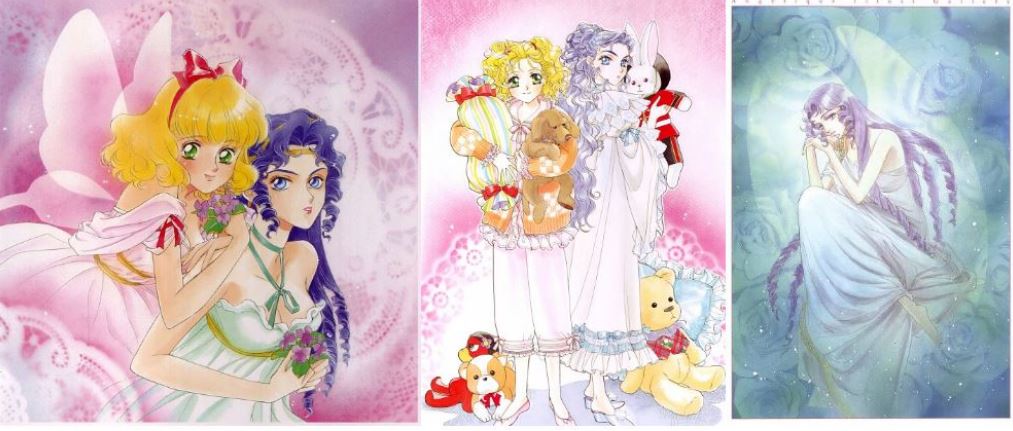
Angelique (blonde) and her rival in the game, Rosalia, who also becomes a playable character in later games.
Ruby Party: The Team That Asked a Simple Question
Angelique was created by Ruby Party, a development team with a surprisingly gentle origin story.
Ruby Party was formed within Koei (now Koei Tecmo) in the early 1990s under the guidance of Keiko Erikawa, one of the company’s founders. Erikawa noticed something most of the industry ignored: women played games too, but very few games spoke to them.
So she asked a simple question: Why not make something for women and made by women?
At the time, this was far from obvious. The industry didn’t believe games aimed at women would sell, and women were barely present in development teams. Ruby Party was built by recruiting women from a wide range of backgrounds, many of whom had no prior experience making games, but that was the whole point: they weren’t there to follow existing rules; they were there to imagine something new.
Even the name “Ruby Party” reflects that mindset. Rubies have long been associated with passion and strength, and “party” suggests collaboration, like a group moving forward together. It wasn’t about one visionary creator: it was about a collective voice.
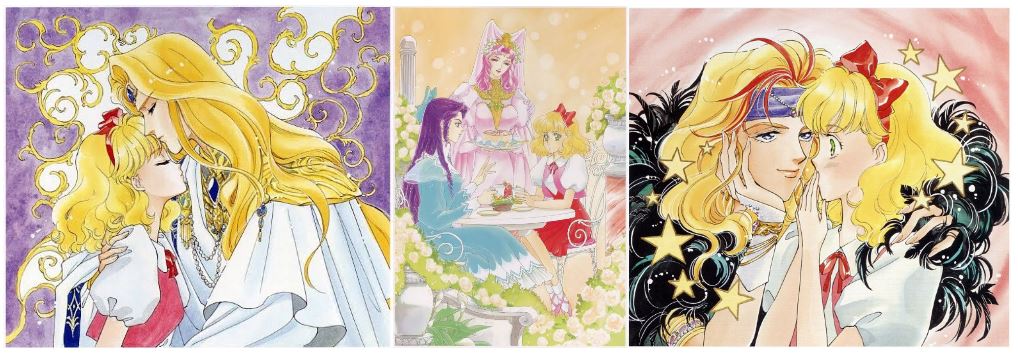
What Playing Angelique Actually Felt Like
Even though modern otome games look very different, many of their core ideas trace straight back to Angelique.
By today’s standards, Angelique can feel… a little strange, especially if you’re not used to playing games from the 90s. It can be slow, and sometimes confusing in that very early-90s way where the game doesn’t hold your hand or explain everything upfront. You’re expected to learn by doing, and by living with your choices for a while.
At its core, Angelique is a romantic strategy simulation. You help develop a land with the support of nine Guardians, each with their own personality, strengths, and preferences. What you choose to prioritize matters. Your decisions affect both the world you’re building and the relationships you form along the way. Romance can happen… or it might not! It all depends on how you play.
Because romance is optional, the game never scolds you for choosing ambition over love (or the other way around). You’re free to chase the crown, chase a Guardian, or juggle both very badly. That sense of freedom feels normal now, but back then, it was pretty wild.
And relationships? They take their sweet time! No instant confessions. No dramatic “we just met but I would die for you” energy. Trust builds slowly, through repeated interactions, little moments, and showing up again and again. It can feel almost too quiet if you’re used to modern otome games, but that slow burn is part of Angelique’s charm.
Very Shoujo, Very 90s
Visually, the game leans heavily into shoujo aesthetics. The art style, the emotional framing, the dramatic beats… all of it felt familiar to readers of romantic manga, even if they’d never played a game like this before.
There’s also a narrative structure here that feels surprisingly relevant even today. Angelique follows a very classic shoujo formula: an ordinary girl from Earth is suddenly transported to another world, where she must survive, adapt, grow, and meet new people who change her life. Today, we’d instantly recognize this as isekai (If you’re interested in reading about this genre, don’t miss our blog post about Crest of the Royal Family, where we talk about an old favorite isekai shoujo manga).
While isekai is now everywhere, in shounen, fantasy, and mainstream anime, it originally developed as a shoujo-driven concept, and Angelique is very much part of that tradition: a girl from our world is dropped into another one and told she could become the next Queen of the Universe… if she can manage it, prove herself, and rise to the responsibility.

Screeshots from the game.
From One Game to a Full Media Universe
The original Angelique was a genuine success, and more importantly, a surprise one. Even inside Koei, few people expected just how strongly girls and women would respond to it. But respond they did. Loudly!
Players didn’t just finish the game and move on. They wanted more: more story, more time with the characters, more ways to experience that world. And to Koei’s credit, they listened.
Just a year later, in 1995, Angelique Special was released. It wasn’t a simple reprint of the original, but a revised and expanded version that added animated scenes and full voice acting, including performances by well-known voice actors. At a time when voice acting in games was still far from standard, this felt like a huge step forward (nowadays, it’s hard to imagine an otome game that isn’t fully voiced). In 1996, drama CDs followed, allowing fans to experience the characters outside the game itself.
Over the years, the series expanded into a full franchise, with multiple sequels and reimaginings such as Angelique Duet and, much later, Angelique Luminarise in 2021. But the games were only part of the story. Angelique branched out into anime adaptations, OVAs, drama CDs, music albums, manga, and novels. Yes, even stage musicals!
Even now, decades after its original release, Angelique continues to be celebrated through events, anniversaries, and collectible merchandise. It’s a quiet but powerful reminder of just how deeply the series embedded itself into gaming and fan culture.

Cover of Angelique Duet (PS). In Duet, players can take on the role of Angelique’s rival, Rosalia, a feature Ruby Party added in response to fan requests.
Otome Games Today: A Genre That Went Global
Fast-forward to today, and otome games are no longer a niche curiosity tucked away in a corner of the industry.
In Japan, the genre has been firmly established for years now, with dedicated studios, large fan events, and an audience that knows exactly what it likes. What’s especially interesting, though, is how much otome has grown outside Japan.
If you look at the current landscape, one name dominates the scene: Otomate. Love them or hate them, they’re responsible for the vast majority of otome titles released today, and for many players, “otome game” is almost synonymous with Otomate itself. But longtime fans know the genre was never built by one company alone.
There were, and still are, studios that shaped otome history in their own way. QuinRose (RIP, you will never be forgotten), Broccoli, Rejet, and Voltage, especially on the mobile side, all produced iconic titles that defined different eras of the genre. If you’ve been in the fandom long enough, chances are at least one of those names instantly unlocks memories.
And then there’s Ruby Party, still quietly, stubbornly doing its own thing.
Ruby Party’s Very Specific Vibe
What makes Ruby Party stand out today is that, unlike many modern otome studios, they never abandoned gameplay. While the genre has increasingly leaned toward pure visual novels, Ruby Party continues to build otome games where mechanics actually matter. Angelique is about management, planning, and long-term strategy. Harukanaru Toki no Naka de blends romance with RPG elements. La Corda d’Oro revolves around music systems and performance mini-games. Even Geten no Hana plays with tactical elements.
In a world where many otome games are essentially interactive novels, Ruby Party titles feel oddly fresh, which is ironic, considering they were the ones who invented the genre in the first place. So, if you think about it, there’s something almost poetic about that.
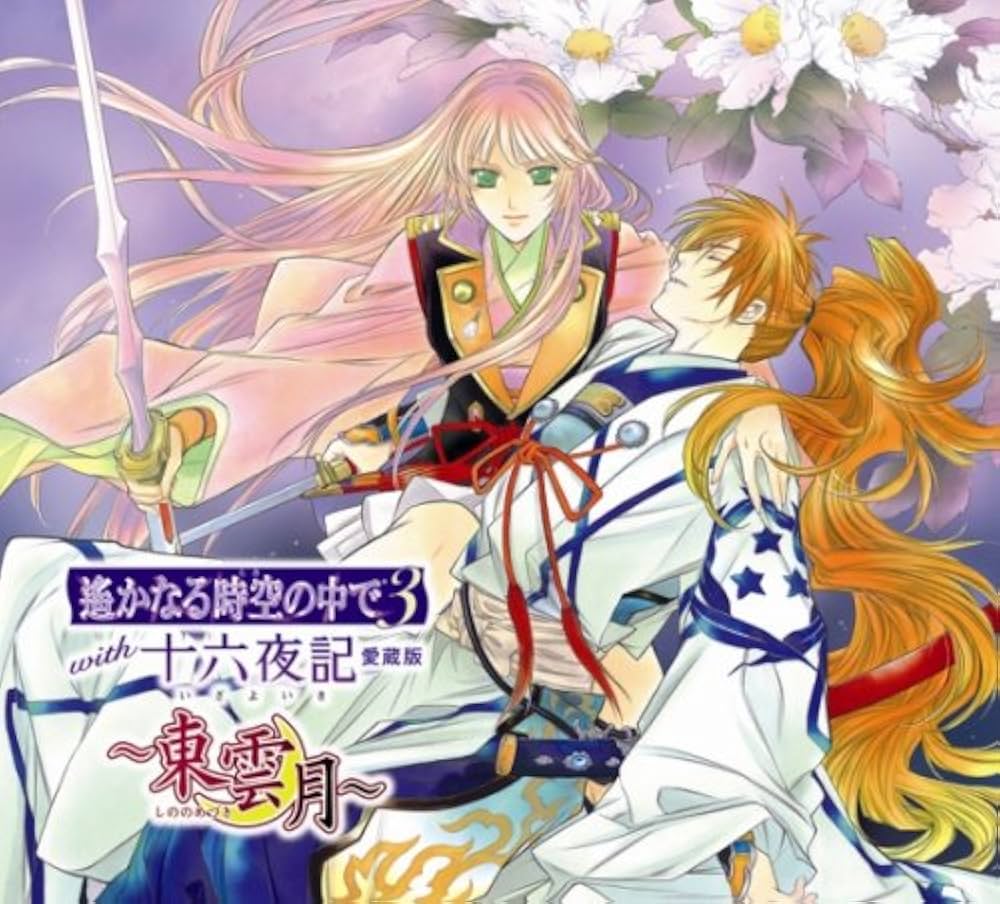
Cover for Harukanaru Toki no Naka 3 (PSP), another Ruby Party otome game series, and one of our staff favorites!
Otome’s Western Boom
Over the past decade, otome games have also seen a massive boom in the Western world. More titles are officially localized each year, indie developers across Europe and the Americas are creating their own otome-inspired projects, and platforms like the Nintendo Switch and mobile app stores have made the genre more accessible than ever.
Series like Hakuoki, Code:Realize, Collar × Malice, and Piofiore now have passionate international fanbases, something that would have sounded unrealistic, if not impossible, back in the 1990s.
Modern otome games are also more diverse than ever. They explore darker themes, different identities, moral ambiguity, trauma, politics, and emotional complexity. Heroines come in all shapes and personalities, and romance is no longer confined to a single fantasy or formula.
And yet, beneath all those changes, Angelique’s DNA is still there: choice matters. Relationships take time. The heroine’s perspective comes first. The genre has evolved, but it hasn’t forgotten where it started.
Okay, But Why Are We Still Talking About This Game?
Angelique isn’t just a footnote in gaming history; it’s one of those quiet starting points that explains a lot about why things look the way they do today. Once you know it exists, you start seeing its influence everywhere, even in games that look nothing like it on the surface.
Whether you’re someone who’s been playing otome games for years, or someone who clicked this post out of pure curiosity, we hope this gave you a new way to look at where the genre came from!
This definitely won’t be our last stop in the world of Japanese games, manga, and pop culture that shaped entire fandoms. There are plenty of classics, oddballs, and “how did THIS get made?” titles still waiting to be talked about, and we’re excited to keep digging into them.
If Angelique is a name you already knew, or if this post made you think, “Okay… maybe I should try an old-school otome game”, we’d love to hear about it! And if there’s a game, series, or genre you’re curious about next, let us know in the comments – suggestions are always welcome!
And if all this talk about games, stories, and Japan has you feeling inspired to go a little deeper, you can always check out our Japanese courses on our website. Questions, thoughts, or just want to say hi? We’re around.
See you in the next post… and happy gaming! 💕🎮